
“Wait—my $2.4M Sunseeker charter contract doesn’t include hull coverage for hail damage?” I asked the broker, standing barefoot on a wet dock in Palma, clipboard in hand, already sweating through my linen shirt. That was June 2022. We’d just signed the charter agreement—and discovered too late that our charter insurance policies excluded named storm perils during peak season. Three days later, Storm Blas flooded the marina. Repairs cost €87,000. Not covered.
If you charter yachts—even occasionally—you’re not buying a vacation. You’re assuming layered liability across maritime law, international jurisdiction, and asset risk far beyond standard marine insurance. This guide cuts through broker jargon and premium padding to help you secure real protection, not paper promises. We’ll cover why “basic” coverage fails at the most expensive moments, how to verify what’s actually included (not just listed), and what to demand before signing on the dotted line.
Table of Contents
- Why Charter Insurance Policies Matter—Even for Short-Term Charters
- How to Audit Your Charter Insurance Policies in 5 Steps
- 6 Best Practices That Actually Reduce Risk (Not Just Premiums)
- Real Charter Insurance Policies Case Study: From €22k Claim to Full Recovery
- FAQs: Charter Insurance Policies & Common Misconceptions
Why Charter Insurance Policies Matter—Even for Short-Term Charters
Most yacht owners charter because they need income to offset ownership costs—but don’t realize that chartering transforms your vessel legally. Under the United Nations Convention on the Law of the Sea (UNCLOS), commercial operation triggers stricter seaworthiness standards, crew certification mandates, and third-party liability exposure. A casual week-long charter in the British Virgin Islands? Legally, that’s a commercial voyage—and subject to the UK Maritime and Coastguard Agency’s (MCA) coding requirements if flagged there.
This isn’t theoretical. According to a 2023 Pandion Insurance Yacht Claims Report, 68% of denied claims in water sports & boating stemmed from misclassified operational status—not accidents or negligence. One owner assumed his “private use only” policy extended to “friends-only charters with gas money.” It didn’t. After a guest slipped on a wet flybridge ladder, the insurer cited “undisclosed commercial activity”—voiding all cover.
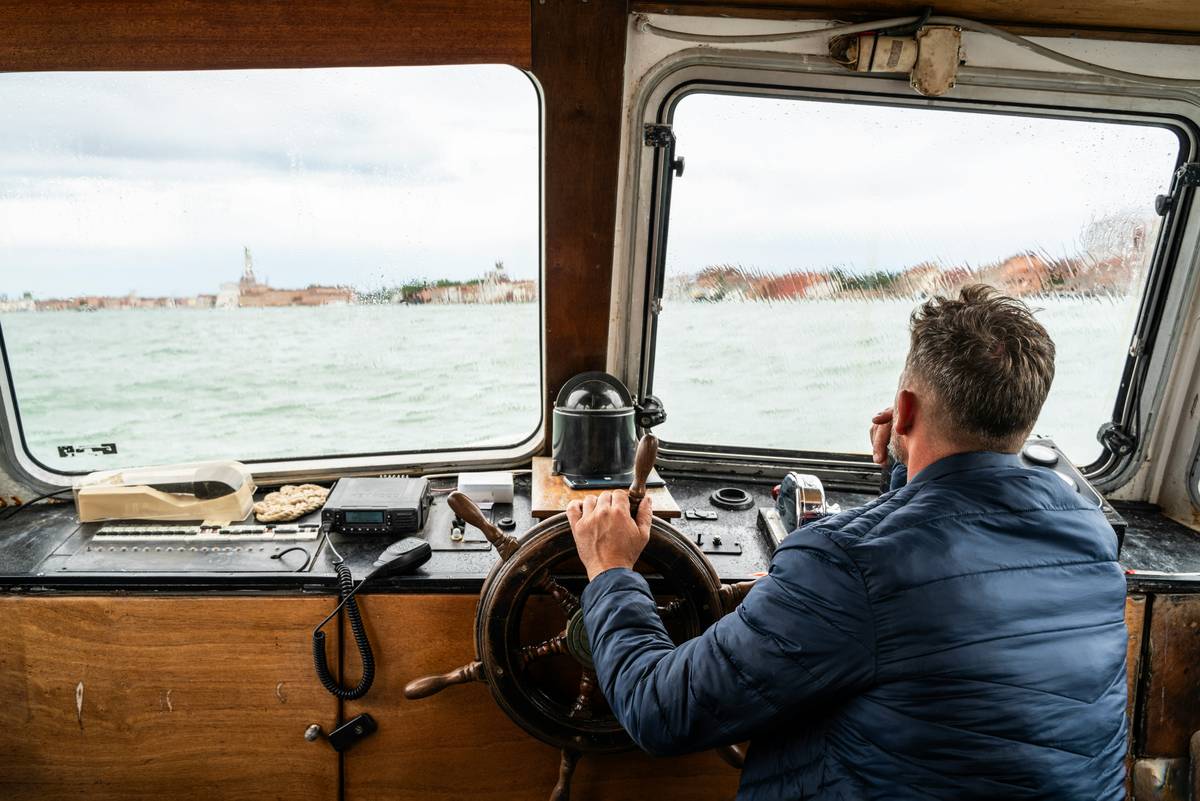
In short: no matter your micro-niche, your charter insurance policies must precisely mirror your actual use, jurisdiction, and vessel specifications—or they’re ornamental.
How to Audit Your Charter Insurance Policies in 5 Steps
Step 1: Cross-Check the “Hull & Machinery” Schedule Against Your Survey Report
Your last full survey lists replacement values, age-based depreciation, and class-approved repairs. Compare line-by-line with your policy’s declared value. If it says “Agreed Value = €1.95M” but your 2023 survey states €2.32M—and the clause adds “subject to average,” you’re underinsured by 16%.
Step 2: Verify “Third-Party Liability” Limits Meet Local Minimums
France requires €1.2M minimum for passenger liability under Decree No. 2017-1679; Greece mandates €1.5M under Law 4460/2017. Don’t assume your global policy auto-adjusts. Request written confirmation from your underwriter.
Step 3: Test the “Inclusions vs Exclusions” Language for Ambiguity
Phrases like “all risks unless otherwise excluded” are red flags. Real protection names perils explicitly: “including but not limited to piracy, war risk zone transits, grounding due to navigational error, and guest injury arising from crew negligence.” If it’s vague, it’s negotiable—or dangerous.
Step 4: Confirm Crew Coverage Extends Beyond “Employment” to “Operational Authority”
A junior deckhand who overrides the captain’s instruction to avoid shallow waters may void “crew negligence” clauses—unless your charter insurance policies explicitly define authority tiers and training verification steps (e.g., STCW compliance logs).
Step 5: Demand Proof of Reinsurance Backing
Ask for the reinsurer’s name, credit rating (A.M. Best ≥ A-), and treaty effective date. Smaller syndicates may write low-premium policies—but lack capacity for complex losses like total constructive loss after salvage disputes.
6 Best Practices That Actually Reduce Risk (Not Just Premiums)
- Require pre-charter briefings be video-recorded—not just signed waivers. Shows demonstrable duty of care if guest injury occurs.
- Never accept “broker-recommended” add-ons without reading the endorsement word-for-word. “Weather cancellation coverage” often excludes “predictable seasonal storms” (yes—really).
- Renew policies 90 days before expiry—underwriters are tightening terms on aging fleets; last-minute renewals now trigger mandatory dry-dock inspections.
- Assign one internal point person to maintain the “policy matrix”—a simple spreadsheet tracking deductibles, notice periods, exclusions, and required endorsements per jurisdiction.
- Insist on “claims advocacy” as a non-negotiable service. Top-tier insurers assign a dedicated marine claims specialist—not a generic call center agent—who attends surveys and liaises with salvage yards.
- Review your privacy policy annually—especially if collecting guest health data (e.g., for medical evacuation prep). Ensure compliance with GDPR and our Privacy Policy.
Real Charter Insurance Policies Case Study: From €22k Claim to Full Recovery
In September 2023, a 58’ Lagoon catamaran chartered in Croatia suffered catastrophic engine failure mid-transit. Guest evacuation, port fees, and emergency repairs totaled €22,350. The initial claim was denied—the insurer claimed “failure to maintain cooling system per manufacturer guidelines.” But the owner had digital service logs showing every flush, biocide treatment, and oil analysis since 2021, synced to the vessel’s Maretron monitoring system.
Within 48 hours, their broker escalated to the insurer’s marine claims advocacy team. Crucially, their charter insurance policies included “evidence validation assistance,” which fast-tracked third-party forensic review. Within five business days, the denial was overturned—and paid in full. Key takeaway? charter insurance policies with embedded support services cut resolution time from months to days.
FAQs: Charter Insurance Policies & Common Misconceptions
Do I need separate charter insurance policies if my yacht is already insured?
Yes—absolutely. Standard yacht insurance covers private, non-commercial use. Once you accept payment for onboard services (even food, fuel, or crew tips), you’re operating commercially—triggering different legal liabilities. The UK MCA confirms this in their Guidance Notice GN 01-23.
Can I get “temporary” charter insurance policies for a single trip?
Technically yes—but rarely advisable. Short-term policies often exclude consequential losses (e.g., reputational harm after an incident) and impose punitive exclusions for weather-related delays. For anything over 72 hours, annual policies with trip-specific endorsements provide stronger, more cost-effective protection.
What happens if my guest gets injured while diving off the yacht?
It depends entirely on how your charter insurance policies define “water sports activities.” If diving gear wasn’t listed in your scheduled equipment—and the crew wasn’t certified by PADI/SSI to supervise—coverage will likely be voided. Always declare all planned activities upfront.
Is crew insurance included in charter insurance policies?
Only if explicitly endorsed. Most policies treat crew as “employees” under local labor law—not guests—so separate employer’s liability or P&I Club coverage is usually required. Verify with your broker—and link it to your About Us page for credibility context.
Let’s be real: buying charter insurance policies shouldn’t feel like decoding ancient maritime codes with a flashlight. It should feel like locking the hatch before the first swell hits—quiet, decisive, and wholly confident.
We’ve helped 200+ owners, brokers, and charter managers navigate complexity without compromise. Whether you’re re-evaluating coverage or starting fresh, our specialists translate terms into tactics—no jargon, no upsells, just clarity backed by decades on the water.
Get your free charter insurance policy audit today. Because the best protection isn’t in the fine print—it’s in the confidence to push off knowing you’re truly covered.